
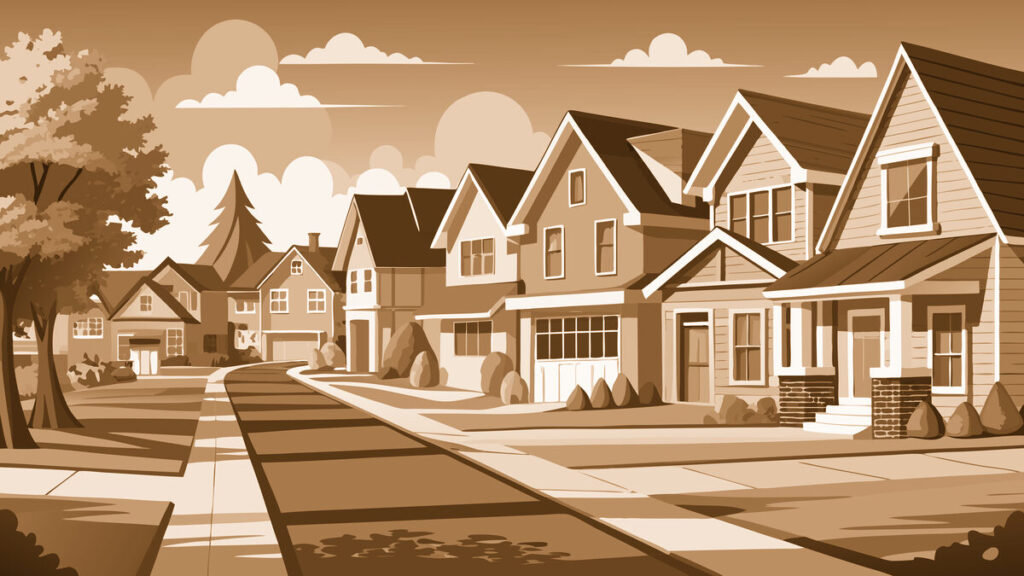
Nestled in the heart of Richmond’s West End, the Windsor neighborhood has quietly woven a tapestry of heritage, community, and change for nearly a century. Just south of Patterson Avenue, and embraced by Windsor Road, Dover Road, and Roselawn Avenue, Windsor is a showcase of suburban charm with a fascinating backstory. For those who stroll its tree-lined avenues or admire the classic homes, Windsor is more than just a place—it’s a living legacy.
Origins: Farmland to Flourishing Neighborhood
Windsor’s story begins well before the first brick colonial revival was laid. In the early 20th century, the area that would become Windsor was largely farmland, with pockets of rolling crops and open pasture stretching to the horizon. At the edge of a rapidly growing Richmond, these wide expanses beckoned to families and developers seeking escape from urban congestion, yet close enough to enjoy city amenities.
Development began in earnest in the 1920s and 1930s. As Richmond expanded westward, parcels of farmland were subdivided and the grid of Windsor’s quiet streets began to take shape. It was a slow but steady process—reflective of the neighborhood’s patient character.
How Windsor Got Its Name
There’s a touch of English elegance to the Windsor name, and that’s no coincidence. Like many neighborhoods developed in the early 20th century, Windsor was named to evoke a sense of sophistication and stability. Many believe the name was inspired by Windsor Castle in England—the seat of British royalty—symbolizing stateliness, tradition, and a strong community foundation. Over time, the name has come to embody not just grandeur but the welcoming spirit found on its streets.
Key Historical Milestones
Windsor’s early years saw the construction of homes that today stand as exemplars of classic Richmond architecture. The predominant style here is Colonial Revival—symmetrical facades, brick exteriors, and classical details grace many houses, especially along Roselawn Avenue and Windsor Road. A handful of Cape Cods and mid-century ranches also dot the neighborhood, reminders of its gradual evolution.
Some defining moments in Windsor’s history include:
- Mid-20th Century Suburban Boom: As Richmond grew after World War II, Windsor became a sought-after address. Families flocked here for its safe streets, reliable schools, and proximity to shops along Patterson Avenue.
- Integration & Community Growth: In the 1960s and 1970s, Windsor, alongside many Richmond neighborhoods, navigated changes brought by school integration and broader civil rights movements. The neighborhood’s openness and adaptability became part of its legacy.
- Preservation Movement: By the late 20th and early 21st centuries, Windsor’s residents recognized the importance of preserving its architectural character. Many homes have been lovingly maintained or restored, and local advocacy helped retain Windsor’s unique sense of place even as modernization crept in.
Notable Landmarks and Institutions
Windsor isn’t dotted with grand monuments, but its charm lies in its everyday wonders. Among the local gems:
- Mary Munford Elementary School
Located just a stone’s throw from the neighborhood’s edge, Mary Munford Elementary has served Windsor families for generations. Its classic red brick building and spacious playground are neighborhood hallmarks.
- Windsor Farms Park
While technically adjacent, Windsor Farms Park—right off Dover Road—is a green haven for families and dog walkers. Shady oaks, walking trails, and playgrounds make it a gathering place for all ages.
- Historic Churches
Churches such as St. Giles Presbyterian on Grove Avenue have provided spiritual homes to Windsor residents for decades. Their community events and outreach programs reinforce neighborly bonds.
- Patterson Avenue Shops
The stretch of Patterson Avenue bordering Windsor boasts a handful of beloved small businesses—cafés, bakeries, and corner pubs—giving the neighborhood its connected, village-like feel.
Neighborhood Evolution: Past to Present
Windsor has seen its demographic and cultural complexion shift over the decades. Initially home to young families seeking suburban comfort, it later became a multi-generational community as those families settled in for the long haul. In the past two decades, Windsor has welcomed new residents eager to restore historic homes or simply enjoy its tranquil atmosphere.
Today, you’ll find a lively mix—retirees tending gardens beside young families pushing strollers, artists mingling with professionals. Annual traditions, from Halloween block parties to spring yard sales, continue to knit Windsor’s social fabric tight.
What Makes Windsor Special
Many neighborhoods claim to be unique, but Windsor truly feels set apart. Perhaps it’s the interplay of well-kept lawns and majestic oaks, the laughter spilling out from backyard cookouts, or the sense of safety found on its quiet streets at dusk. Perhaps it’s because Windsor has always been shaped by its residents—a patchwork of stories, values, and dreams, stitched together over generations.
At the edge of a bustling city, yet undeniably its own place, Windsor offers a harmony of old and new. Its heritage is seen in every brick, every sidewalk, every smiling neighbor waving across the lawn. To live here is to join a tradition that—like the namesake castle—stands resilient through time, inviting all to be part of its next chapter.
Explore Windsor Yourself
Whether you’re planning a stroll along Windsor Road, attending a service at a historic church, or dropping by Mary Munford Elementary’s spring fair, Windsor’s welcoming character is unmistakable. Take time to explore its leafy streets, greet the folks tending their flowerbeds, and discover the quiet heritage that makes Windsor not just a neighborhood, but a Richmond treasure.